
Studying Civil Aviation: What Do You Need Before You Begin?
If you are considering studying civil aviation, there are key factors you must understand before selecting an academy or paying any fees. Most importantly: the appropriate age, medical examination, English language proficiency, academic requirements, and practical flight training. Students must also grasp the stages of earning pilot licenses, starting with the Private Pilot License (PPL) up to the Commercial Pilot License (CPL) and various ratings.
The duration of aviation studies is not fixed for everyone; however, integrated programs typically span between 12 and 18 months, depending on student attendance, weather conditions, and training progression. In this guide, we clarify the complete picture before you make your decision.
How to Start the Journey: Registration and Admission Requirements
If you are at the beginning of your path asking: “Where do I start, and what are the essential entry requirements?”, the answer involves straightforward conditions accessible to everyone without complexity:
- Age Requirements: The official enrolment age usually starts at 17 years, allowing you to officially begin theoretical and practical training. Students can obtain a Private Pilot License (PPL) starting at age 17, whereas a Commercial Pilot License (CPL) requires reaching at least 18 years of age.
- Academic Qualification: High school diploma or equivalent is required, including American, British, Al-Azhar, or equivalent technical certificates.
- Grade Point Average: No specific high school GPA is required; the primary criteria for admission are passion and passing the prescribed tests.
- English Language: English is a fundamental part of your journey, as it is the language of instruction, technical terminology, and air traffic control communication. Perfection on day one is not required; having a level that enables understanding and communication is sufficient. Language qualification is free and fully included in the tuition fees, with overseas students trained in Johannesburg to ensure full readiness.
- Equal Opportunity: Enrolment is open to both genders (males and females) under identical conditions and standards without discrimination.
- Medical Fitness: Physical and medical fitness is the core prerequisite for entering this field by successfully passing the certified medical examination.
How Long Does Aviation Training Take and What Stages Do Students Pass Through?
One of the most frequently searched questions is: How long is civil aviation study?
The aviation study journey is focused and intensive compared to traditional academic disciplines that take several years at universities. The journey typically starts with the Private Pilot License (PPL), where students learn flight fundamentals, takeoff and landing, navigation, safety procedures, and solo flying.
Afterward, students continue building flight hours and experience to reach the Commercial Pilot License (CPL), which qualifies them to work as professional pilots. The commercial track in South Africa usually requires accumulating around 200 flight hours while fulfilling specific program requirements.
The professional path also includes critical ratings such as the Instrument Rating (IR), Night Rating, and Multi-Engine (ME) aircraft training depending on the program.
Do not make promises of quick completion your main criterion for choosing an academy. What matters most is training quality, actual flight hours, and the licenses and ratings you will earn.
Training duration generally ranges between 12 to 18 months. This period is an estimate influenced by weather, student regularity, exams, and aircraft or instructor availability.
What is the Number of Training Hours Required for Graduation?
The full academic curriculum includes 200 intensive flight training hours. Through this integrated program, students earn two licenses and three ratings officially certified by the International Civil Aviation Organization (ICAO).
These prestigious international accreditations qualify pilots to work for airlines across 193 countries worldwide, opening broad professional horizons.
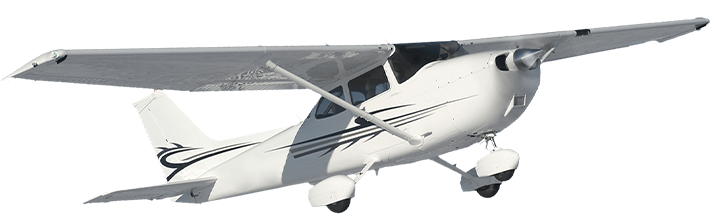
Students train on advanced multi-model training aircraft under the guidance of top aviation instructors of various nationalities and global expertise.
What Are the Tuition Fees and Costs?
Cost represents a true investment in your future in the skies. Official fees break down as follows:
- Total Tuition Cost: $44,000 USD.
- Administrative Registration Fee: $2,000 USD.
Detailed Medical Examination Categories
The medical exam is the most important initial step. Conducted at civil aviation authority-approved medical centers, it thoroughly assesses the following areas:
Vision Examination
- Visual Acuity: Precise vision testing (glasses or contact lenses are permitted within set parameters).
- Color Vision: Rigorous testing to ensure proper differentiation of navigation and landing lights (color blindness screening).
- Eye Health: Intraocular pressure measurement and general evaluation of the retina and internal tissues.
Cardiovascular Examination
- Electrocardiogram (ECG): Performed to verify heart muscle health and rhythm regularity under stress.
- Blood Pressure: Monitored to ensure levels remain within stable normal ranges.
Ear, Nose, Throat, and Balance (ENT)
- Audiogram: Precise hearing tests across sound frequencies inside a soundproof booth.
- Equilibrium and Pressure: Middle ear and balance evaluation, as pilots encounter continuous atmospheric pressure shifts during climbs and descents.
General Laboratory Tests
- Blood Analyses: Comprehensive tests to verify hemoglobin levels, blood sugar, and organ function.
- Urinalysis: Screening for medical indicators such as diabetes or renal issues.
General Clinical Examination
- Reflexes and Motor Function: Neurological and musculoskeletal assessment ensuring reaction speed and limb integrity.
- Medical History: Screening for chronic conditions (such as epilepsy, severe respiratory illnesses, or psychological disorders affecting focus).
Important Tips for Applicants Before the Exam
To ensure a smooth experience and pass the medical examination without worry:
- Rest and Fasting: Get adequate sleep before exam day, avoid stress, and fast for required hours if blood tests are requested.
- Medical Transparency: Fully disclose past surgeries or regular medications; concealing medical facts can lead to license revocation later.
- Corrective Lenses: If you wear glasses or contacts, bring them along with your exact prescription for testing.
How to Choose the Right Flight Academy?
Selecting a flight academy is one of the most critical decisions at the start of your journey. Golf Aviation Academy ensures students begin with a clear understanding of the pathway prior to travel—from entry requirements and documentation to training programs in South Africa and ongoing support throughout studies.
Before enrolling, inquire about the training program, included licenses and ratings, accreditation, training duration, practical flight hours, instructors, aircraft fleets, and facilities. Obtain a complete overview of all program phases and associated costs prior to registration. Do not rely solely on advertisements or price; understand the entire value you receive for your educational investment.