
Why Is Aircraft Model Diversity an Important Advantage?
1. A Diverse Fleet Provides a Broader Training Experience
Among the most critical factors worth your attention when selecting an aviation academy is the fleet of aircraft available for training. Training on a single aircraft model may achieve specific educational goals, but getting familiar with different types of aircraft helps you understand their diverse characteristics, how to manage varying systems, and operational requirements according to the training stages you complete.
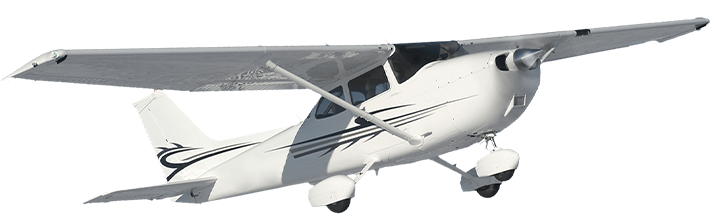
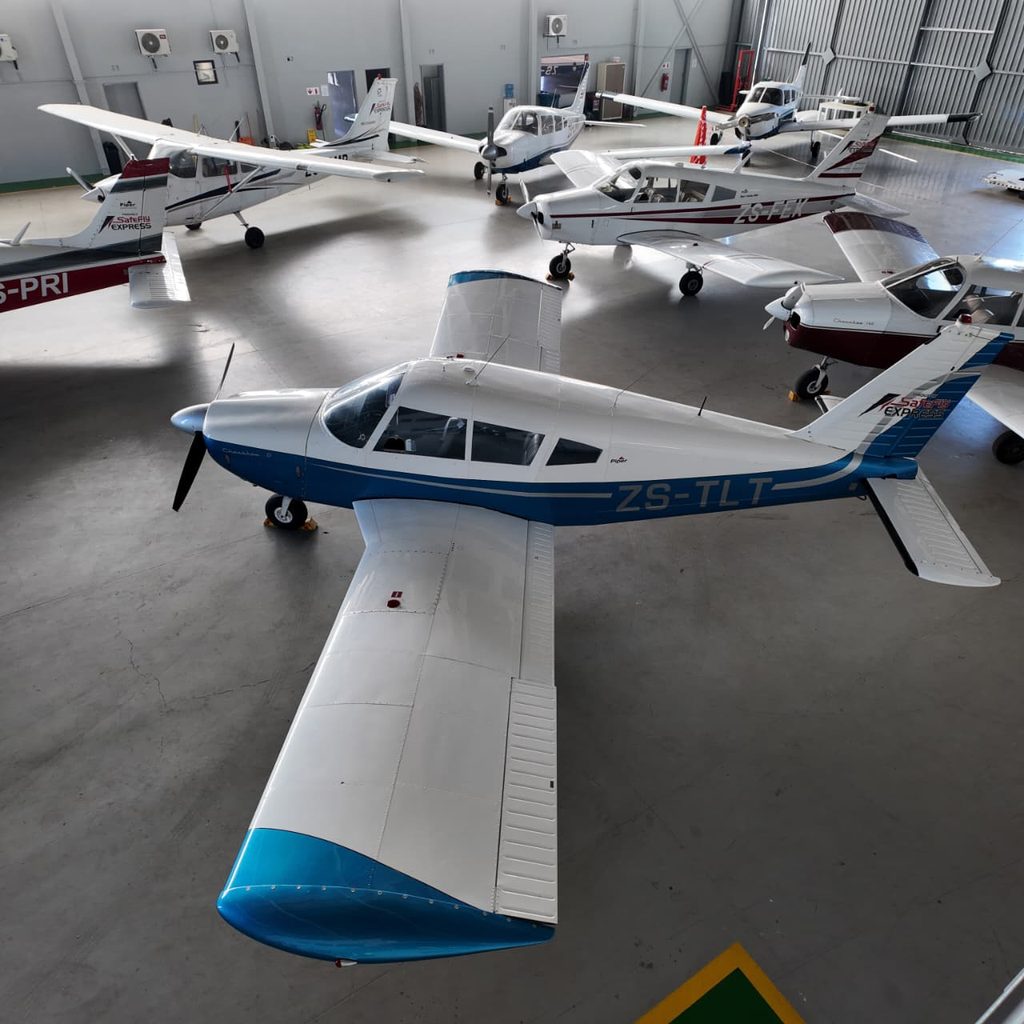
Golf Academy for Civil Aviation owns a modern fleet of training aircraft featuring diverse models, combining single-engine and multi-engine aircraft. This diversity helps deliver a training experience encompassing various categories of aircraft, matching training program requirements and student proficiency levels.
The fleet includes the following models:
- Piper Cherokee: A single-engine aircraft utilized for training on fundamental flight basics and developing control skills.
- Diamond DA20: A single-engine training aircraft helping students build practical handling skills.
- Tecnam P92 MK2: A lightweight single-engine aircraft used for flight instruction.
- Sling 2: A single-engine aircraft allowing students to explore the characteristics of a different training aircraft model.
- Diamond DA42 Twin Star: A multi-engine aircraft aiding instruction on skills associated with twin-engine operations according to specific training phase requirements.
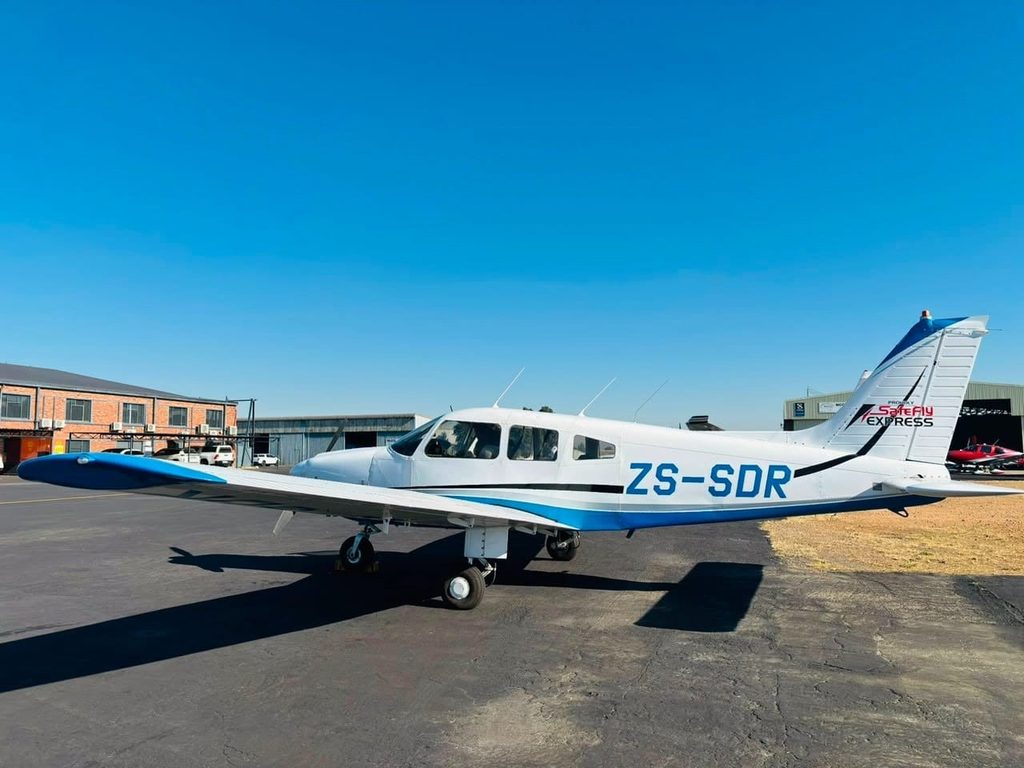
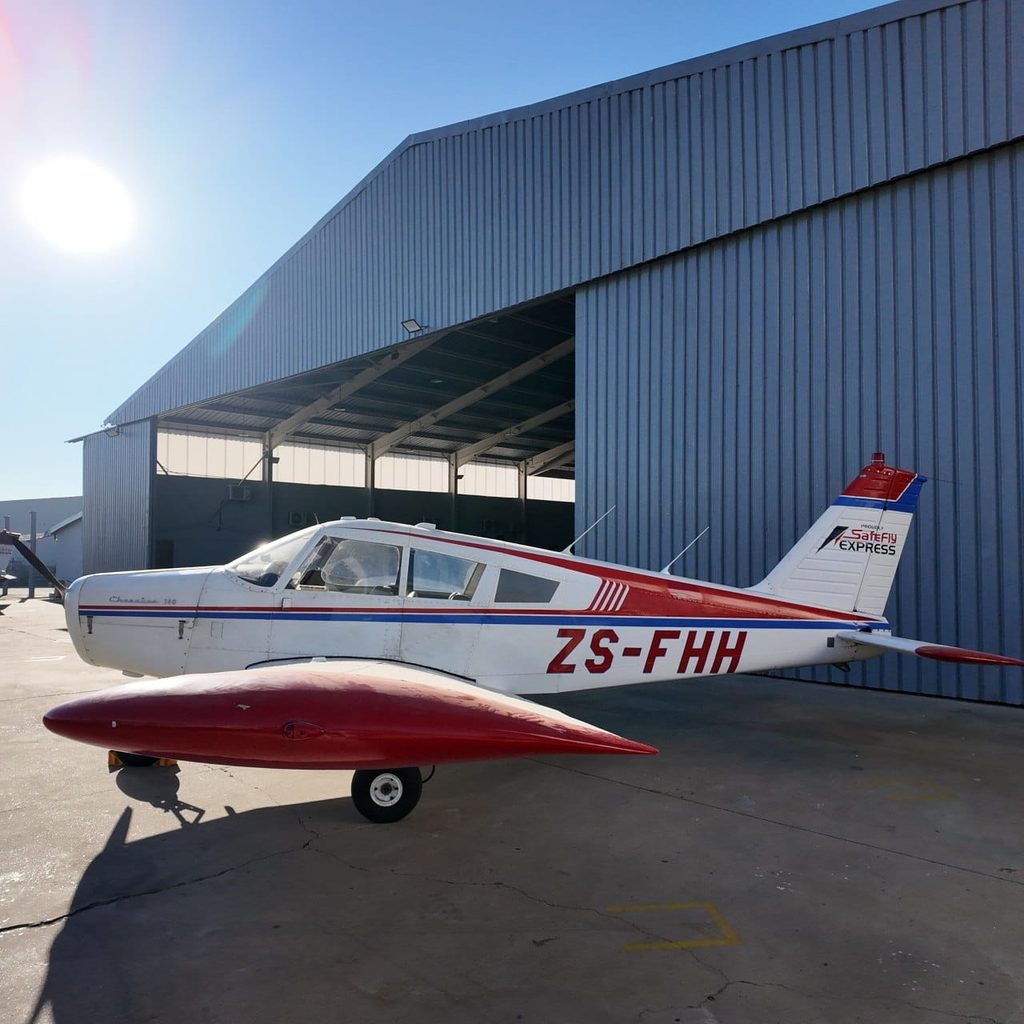
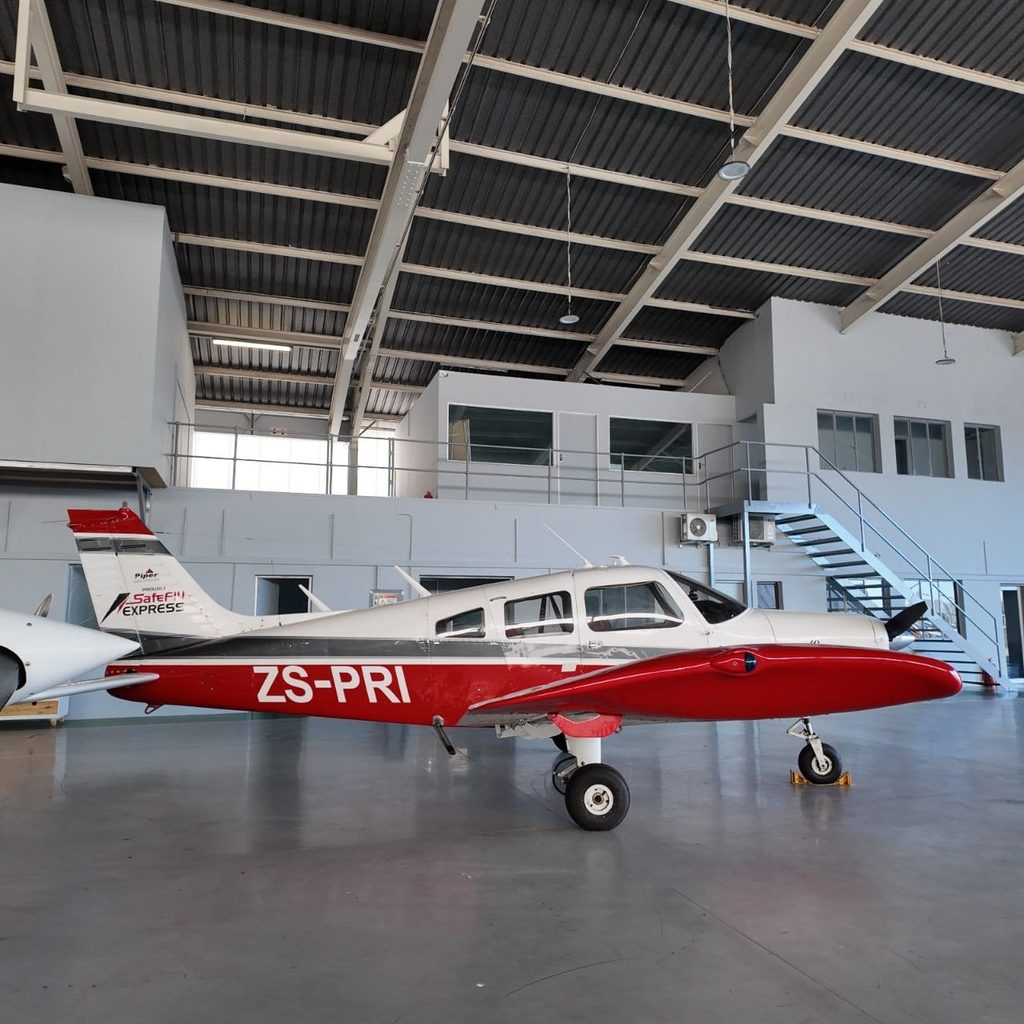
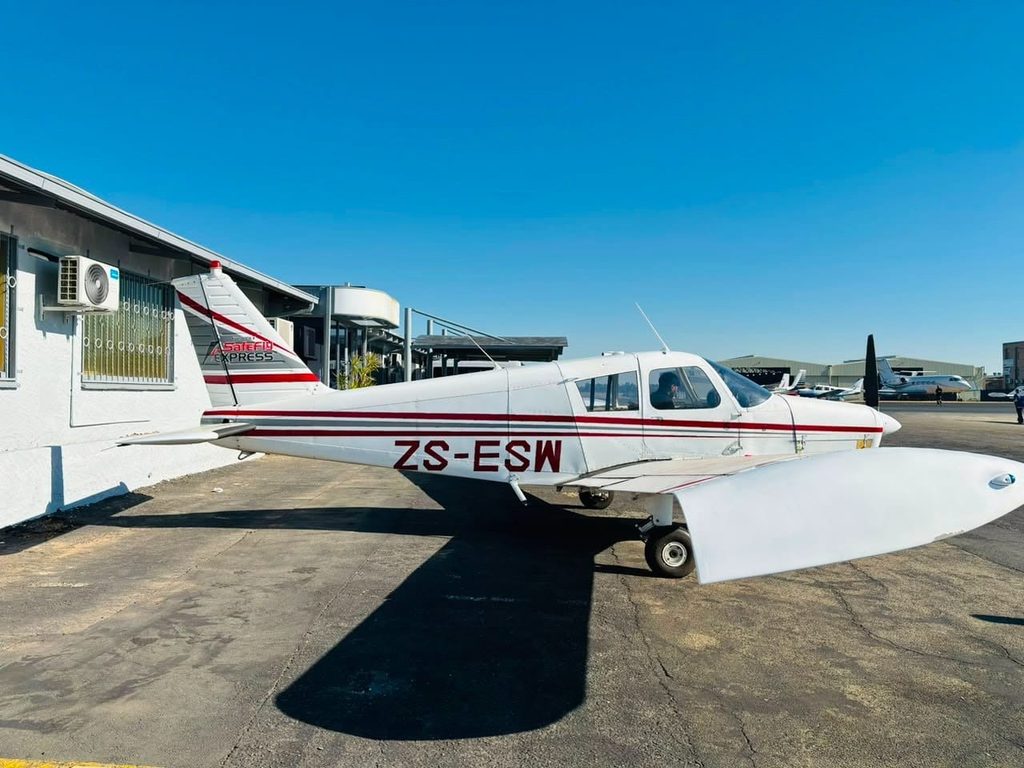
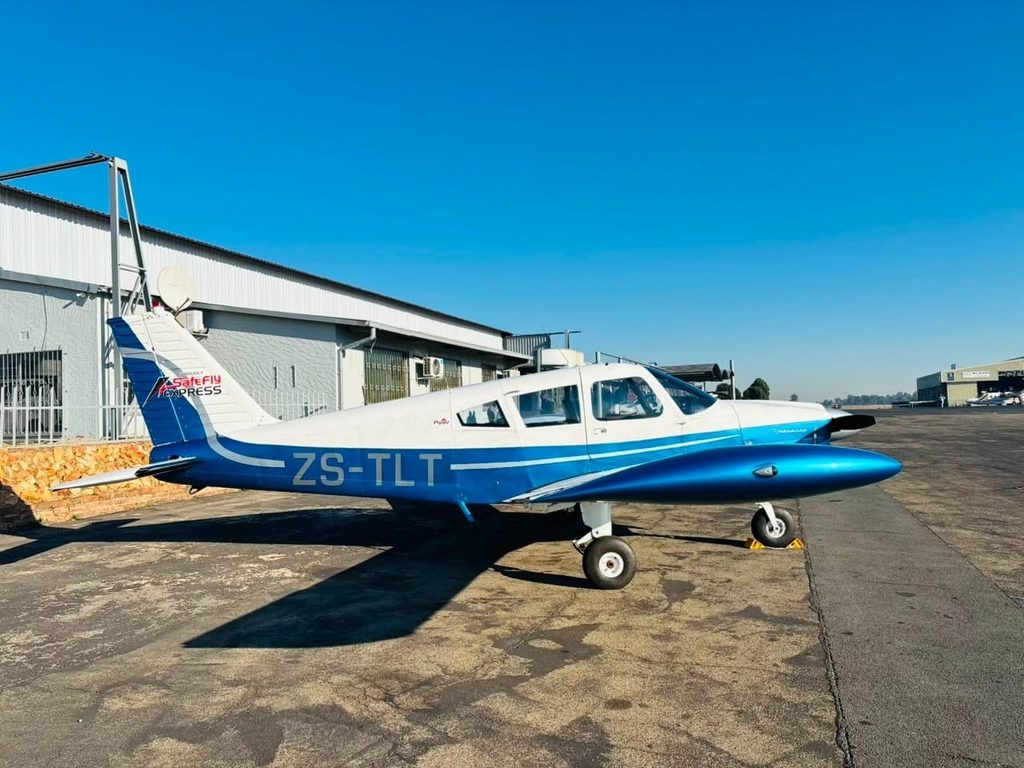
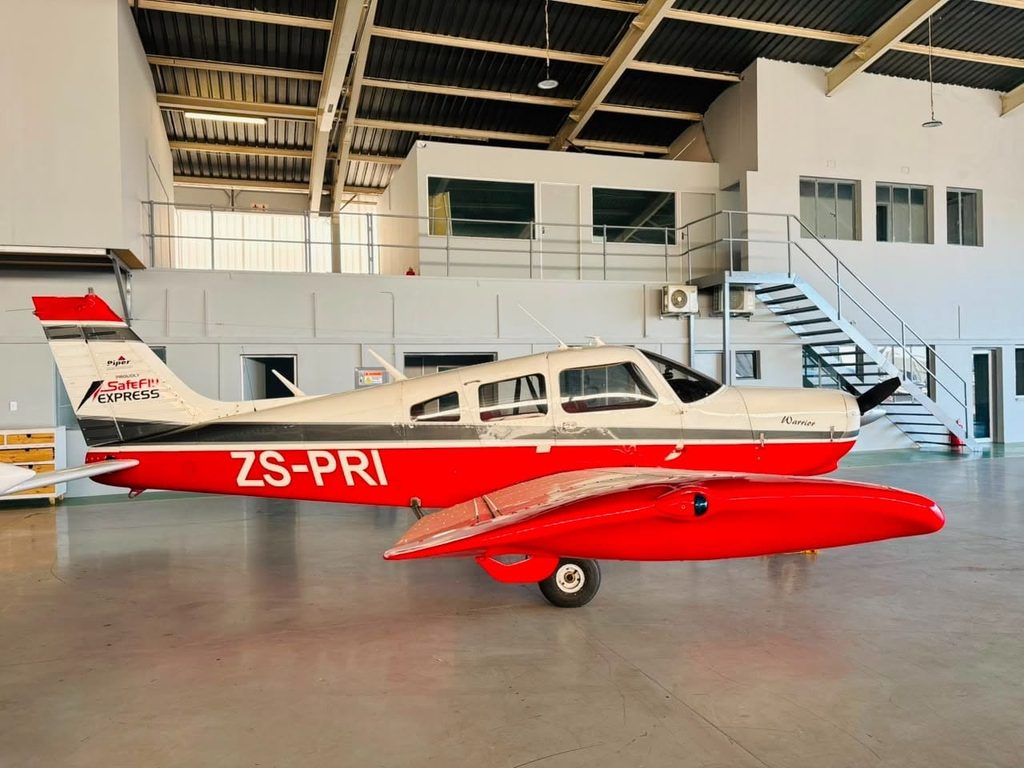
This variety gives you the opportunity to experience multiple models throughout your educational journey, providing a broader understanding of aircraft differences. When comparing academies, make sure to ask about the number of actively available aircraft, their technical condition, and their availability for scheduled flight sorties.
2. Fleet Size and Availability.. Do They Impact Your Experience?
It is not enough for an academy to possess a diverse fleet; knowing the number of available aircraft relative to student enrollment and training schedules is equally important. Proper organization helps distribute flight times appropriately, whereas maintenance requirements, weather conditions, or crowded timetables can disrupt training schedules at any academy.
Therefore, inquire about flight scheduling mechanisms, rescheduling procedures during delays, and whether the program clearly outlines required flight hours and associated fees.
Remember that training quality is not measured by fleet size alone, but by aircraft readiness, utilization efficiency, and the academy’s ability to provide a structured educational experience.
Instructors.. The Expertise That Makes the Difference in Your Training
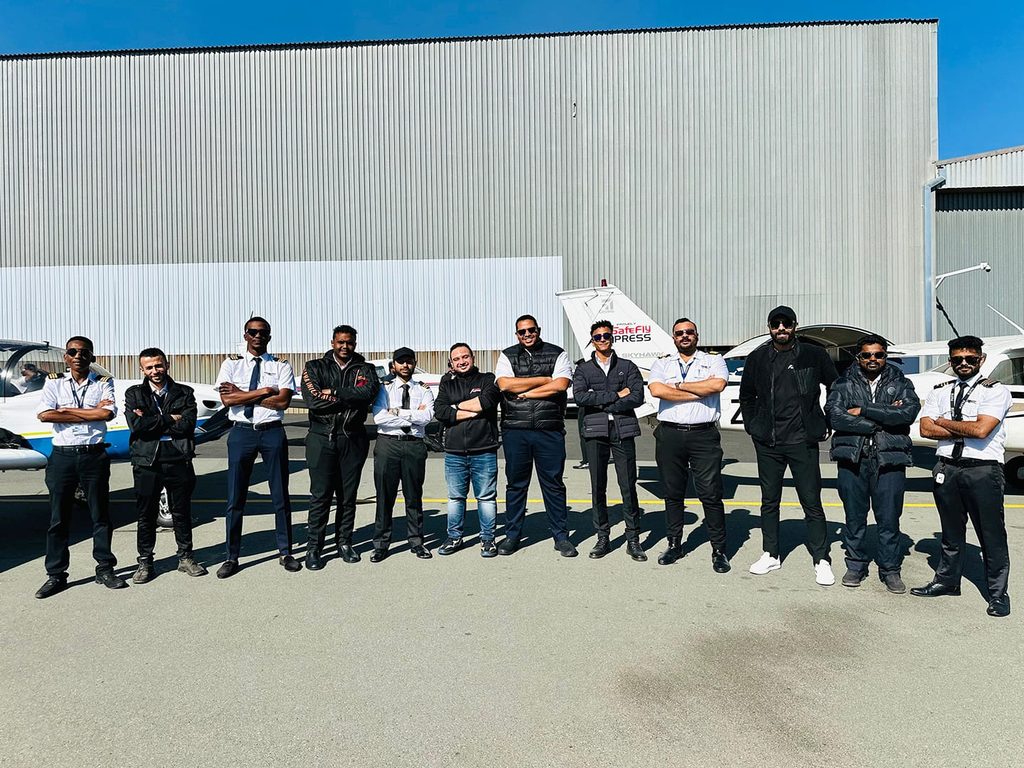
Even with modern aircraft, instructor competence remains a fundamental pillar of educational quality. Instructors help you translate theoretical knowledge into practical skills, explain how to handle various flight situations, and pinpoint areas requiring improvement.
When selecting an academy, ask about the number of instructors, their qualifications, licenses, experience levels, and how their ratio aligns with student counts and required flight training volume.
It is also vital to understand how progress is tracked after every training flight. Receiving clear feedback helps you understand and correct mistakes, providing a sharper perspective on your skill level and areas needing refinement.
Do not base your decision solely on instructor headcounts; focus on their availability, teaching methodologies, and the presence of a structured student performance evaluation system.
Specialized Aviation English Language School
You might possess a solid foundational knowledge of English, but aviation studies demand a language level tied closely to technical terminology, radio communications, and precise instruction comprehension.
English is a vital element in studying theoretical subjects, communicating during training, and understanding terminology and procedures used within the international aviation environment. Moreover, language proficiency requirements vary depending on license types, regulatory authorities, and your target career path.
Consequently, having a dedicated aviation English school or program is a significant advantage for students, especially when it connects language learning to practical scenarios encountered during training.
It is beneficial to inquire about language curriculum content, progress assessment methods, and ways to develop listening, speaking, and technical comprehension skills. The goal is not merely memorizing terminology, but using it correctly and clearly within appropriate contexts. The earlier you begin developing your aviation language skills, the better prepared you will be for academic demands and communication in the aviation environment.
The Airport and Hangar.. Experience the Aviation Environment Up Close
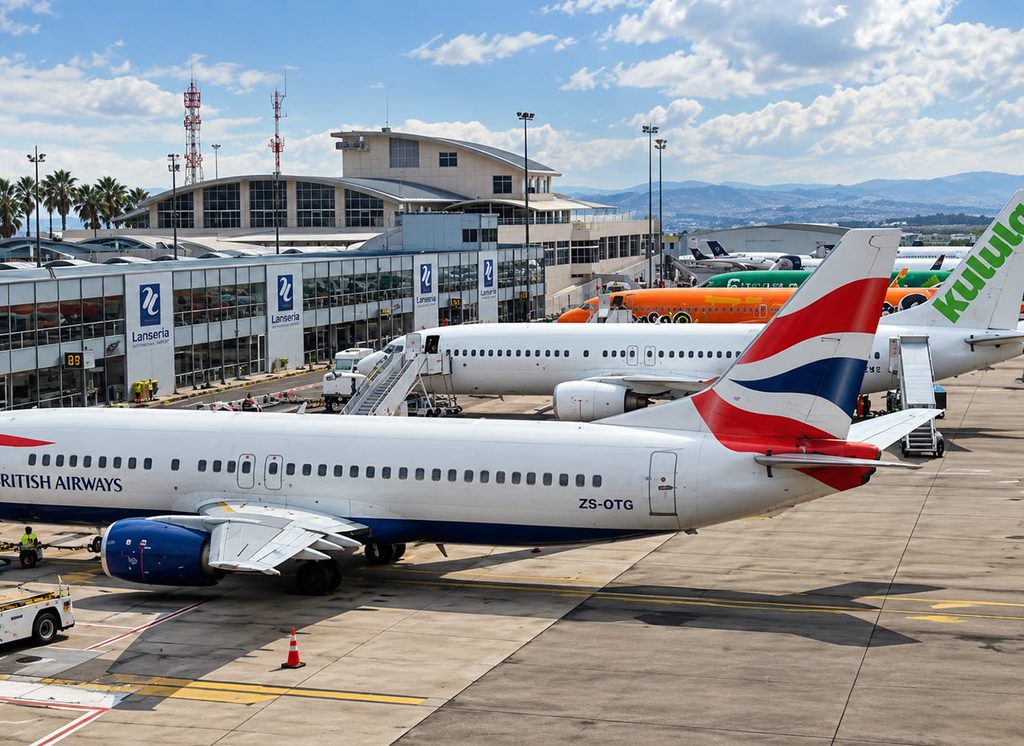
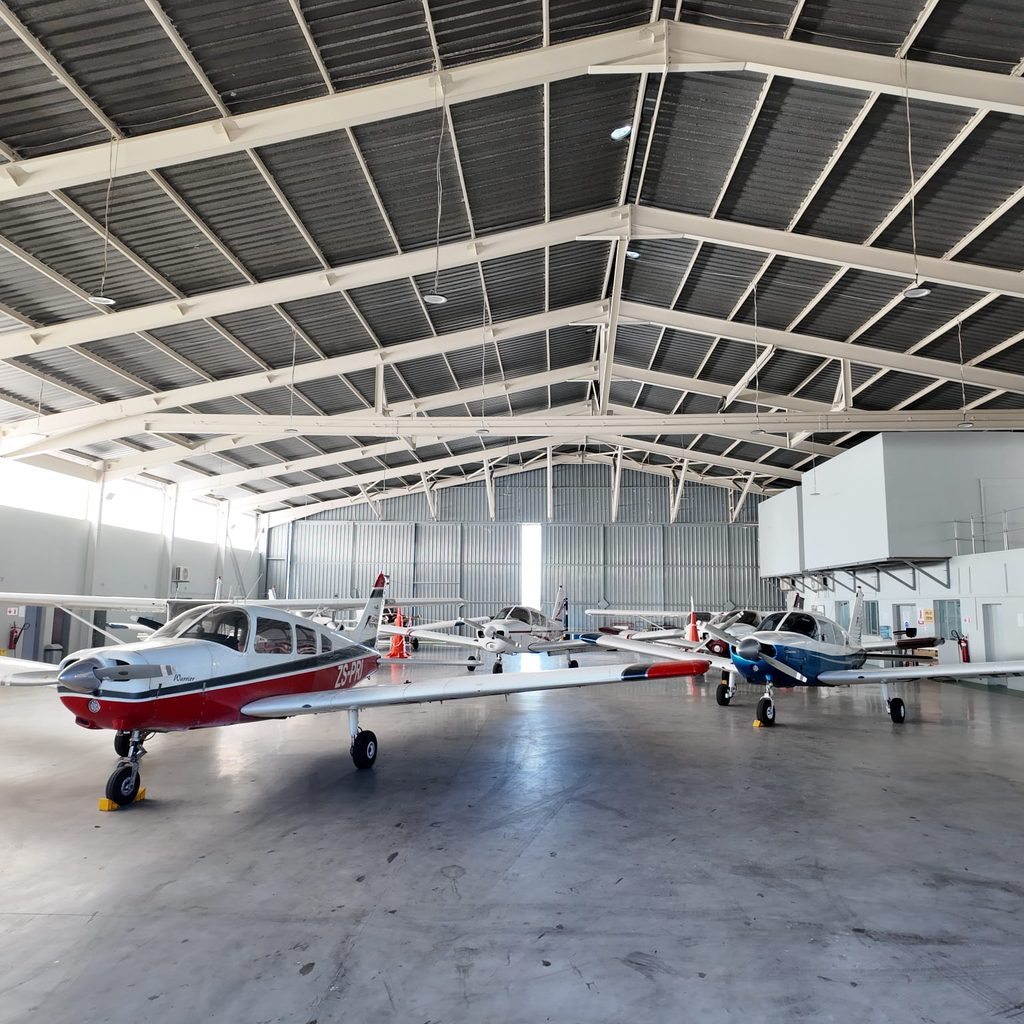
The aviation study experience is not confined to lecture halls or flight hours alone; it extends directly to the environment where flight operations and aircraft handling take place. Training at Golf Academy is conducted at Lanseria International Airport in Johannesburg, South Africa, where students immerse themselves in the airport environment and operational procedures linked to flight training. Additionally, the hangar serves as a crucial component of the aircraft ecosystem, supporting aircraft storage, shelter, and specialized inspection and maintenance work executed by professionals under approved protocols. Familiarizing yourself with the airport and hangar environment gives students a comprehensive view of practical aviation, starting from pre-flight preparation and aircraft walkarounds to understanding the importance of inspections and procedural compliance before and after every flight.
Choose a Training Environment That Helps You Build Your Aviation Future
When searching for the best aviation academy, evaluate the training experience holistically—from theoretical study quality and aircraft fleet diversity to the airport and hangar environment, instructor expertise, and specialized aviation English training.
Golf Academy for Civil Aviation, serving as the exclusive agent in Egypt and the Middle East for BIRD Academy, offers students a training pathway in South Africa at Lanseria International Airport within an aviation ecosystem featuring multiple models, including the Piper Cherokee, Diamond DA20, Diamond DA42 Twin Star, Tecnam P92 MK2, and Sling 2.
Before enrolling, explore your training program details, available aircraft, study phases, instructor backgrounds, and operational airport training conditions. Selecting the right academy begins with understanding the experience you will undertake and how well it aligns with your goals in the world of aviation.