First: Why Is Lanseria International Airport an Important Environment for Training Pilots?
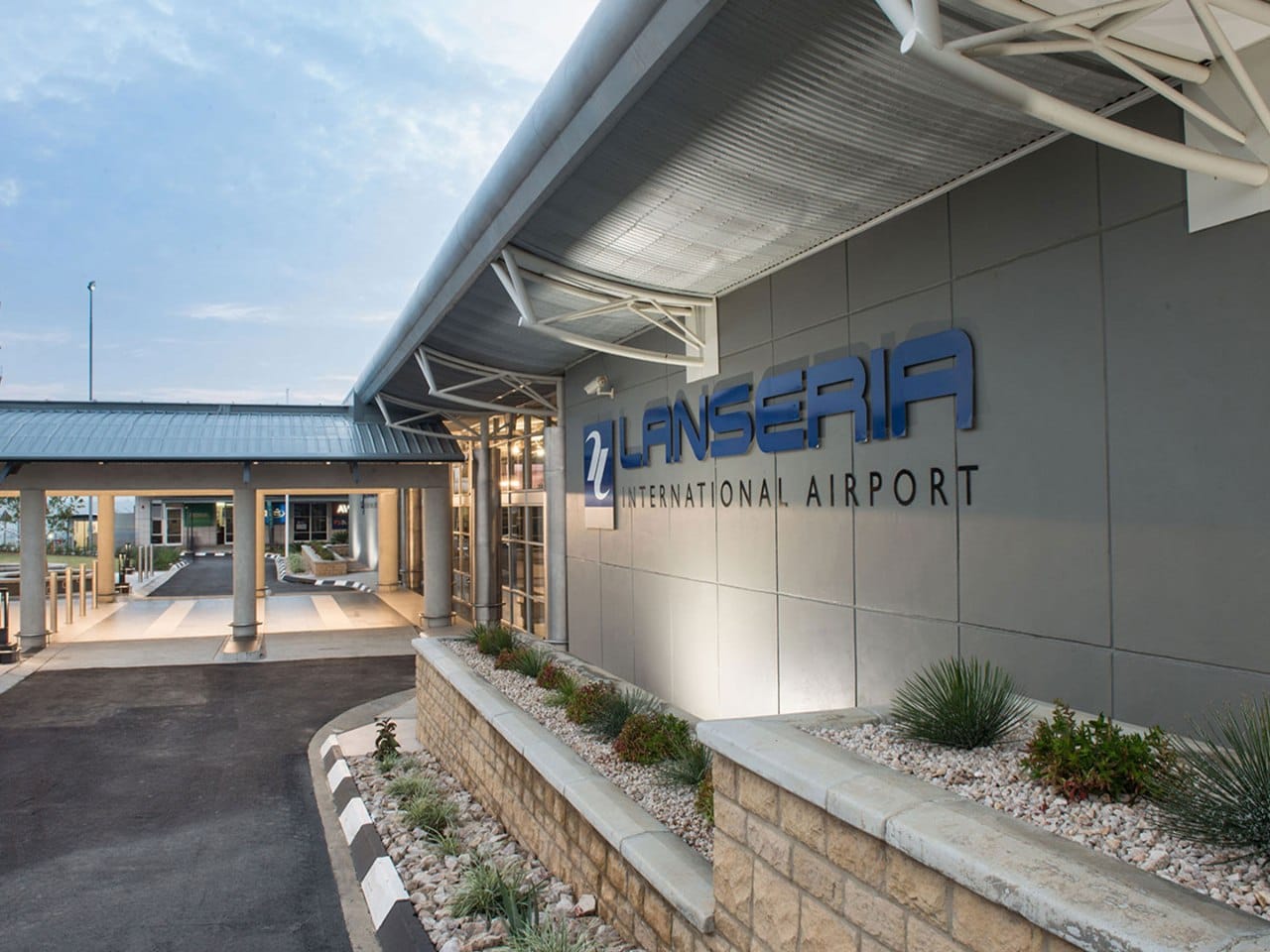
Lanseria International Airport is located in the Johannesburg area of South Africa and is utilized for diverse aviation activities, making it an essential site for understanding the actual operating environment of airports.
BIRD Aviation Academy conducts its flight training at this airport. BIRD is represented by Golf Academy for Civil Aviation as its exclusive agent in Egypt and the Middle East. This training pathway allows students to experience flight instruction within a real-world aviation setting, in accordance with the training program syllabus they join.
What does training at an international airport mean for you as a student? It means that you do not simply learn theoretical information from textbooks; rather, you begin to grasp how academic study directly connects with daily airport operations, while strictly adhering to instructor guidance, standard operating procedures, and safety protocols.
It is vital to understand that the precise nature of your flight training depends on your specific program, your current progression stage, and your target license requirements. Therefore, ensure you inquire about all practical training details prior to enrollment.
Second: What Does a Student Learn Inside Lanseria International Airport?
1- Flight Preparation and Pre-Flight Procedures
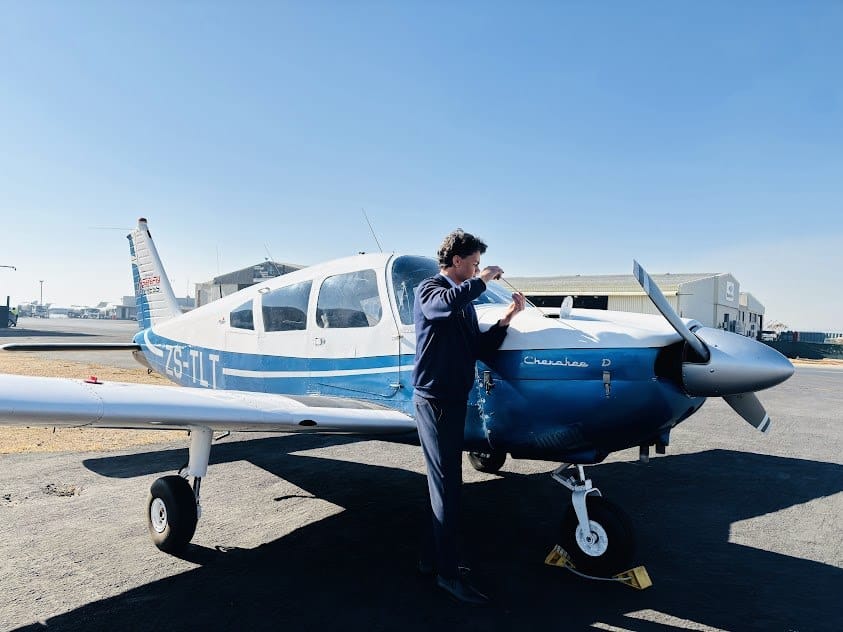
Before an aircraft takes off, there are essential procedural steps every pilot must learn and follow. During flight training, students discover the importance of thorough flight preparation, reviewing required flight information, and mastering pre-flight procedures under certified instructor supervision.
This phase includes understanding weather report evaluations, route planning based on operational needs, managing aircraft checklists, and verifying that all pre-takeoff requirements are completed.
These steps help students realize that safe flying begins long before starting the engine and taking to the skies; effective planning, attention to detail, and procedural discipline are core pillars of a pilot’s professional duty.
2- Airport Procedures and Aviation Communication
Pilots must understand traffic movement within an active airport and follow applicable rules and instructions. Throughout training, students progressively realize the value of radiotelephony communications, utilizing correct standard phraseology, and comprehending clearances issued by air traffic management authorities.
Additionally, students learn active listening, concise communication, and confirming instruction accuracy prior to execution, aligned with their current training level and authorized privileges.
Specialized aviation English plays a critical role in this aspect, helping students navigate terminology and procedures utilized in radio communication. Consequently, refining your English skills before and during training will significantly enhance your ability to absorb course material and meet program demands.
3- Practical Flight Training
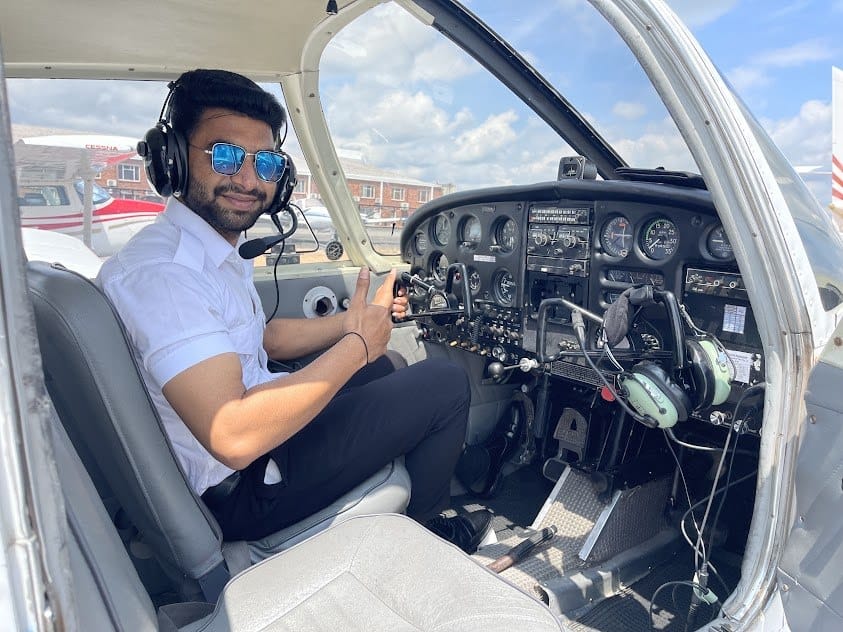
Practical flight instruction represents one of the most critical stages in civil aviation education; students transition from understanding theoretical principles to applying practical maneuvers under qualified flight instructor guidance.
Gradually, students learn flight control fundamentals, instrument monitoring, takeoff and landing procedures, and managing different flight phases according to their syllabus and evolving skill set.
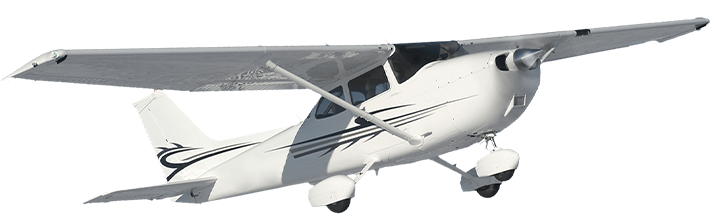
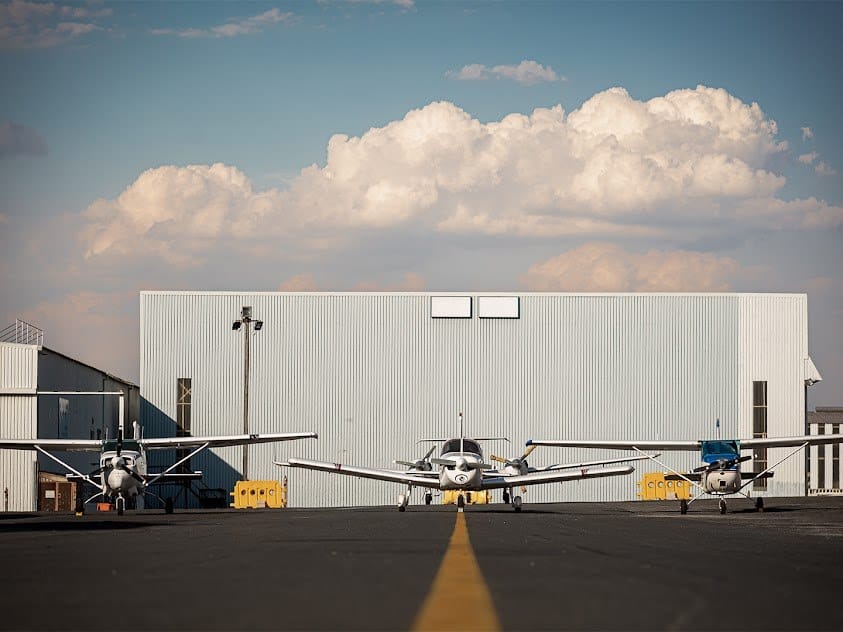
BIRD Aviation Academy operates a varied training fleet featuring the Piper Cherokee, Diamond DA20, multi-engine Diamond DA42 Twin Star, Tecnam P92 MK2, and Sling 2.
Each aircraft type serves a specific purpose based on its design characteristics and assigned training module. Training across single-engine and multi-engine aircraft helps students, according to their qualification track, understand operational differences and handle diverse aircraft avionics and systems.
4- Aircraft, Hangar Familiarization, and Pre-Flight Inspection
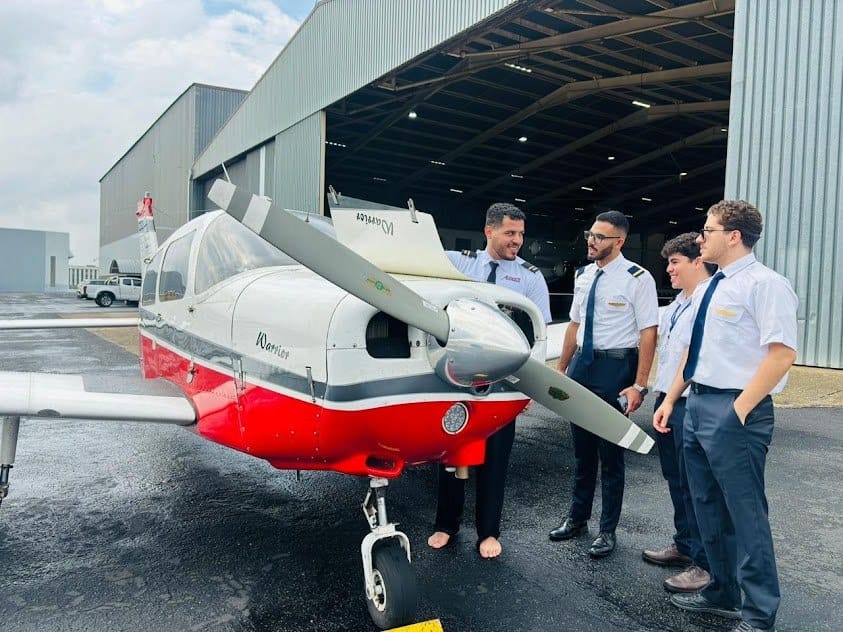
A student’s learning experience does not end upon stepping into the cockpit; becoming familiar with the aircraft’s components and recognizing the vital role of pre-flight and post-flight inspections forms an essential part of aviation safety culture.
Familiarity with the hangar environment helps students appreciate where aircraft are sheltered, the importance of aircraft preservation, and the function of routine maintenance performed by authorized maintenance engineers under certified procedures.
Students must distinguish between pilot pre-flight checks performed under instructor guidance and specialized technical maintenance requiring certified engineers. The primary goal is building a solid understanding of aircraft safety protocols, rather than executing tasks outside authorized student privileges.
Third: How Do the Airport Environment and Instructors Develop Your Skills?
1- Connecting Theoretical Study with Practical Application
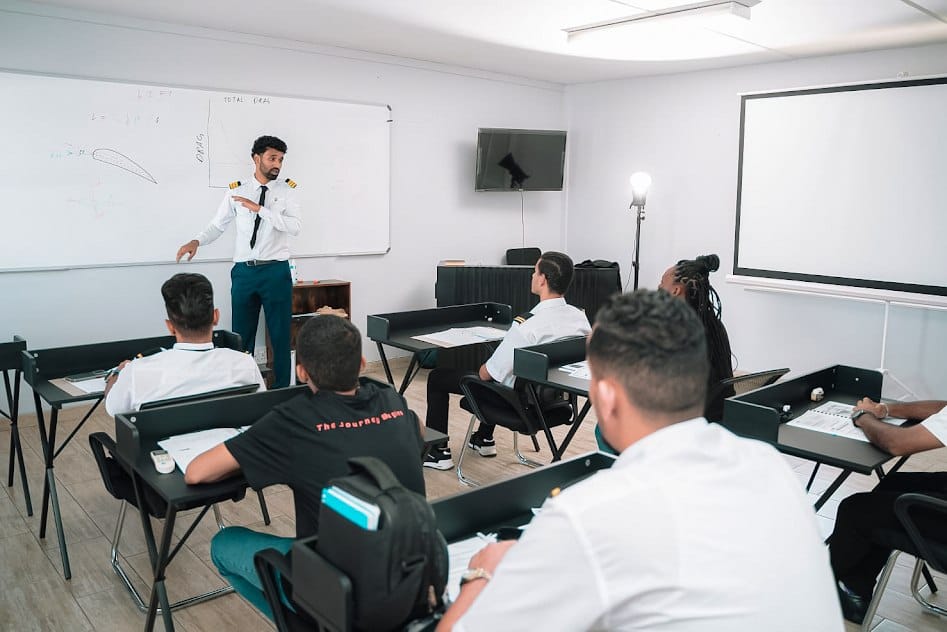
During your aviation education, you study ground subjects such as principles of flight, air navigation, aviation meteorology, aircraft systems, and operational procedures. These subjects gain immense value when you see how they connect to real-world flight scenarios encountered during flight training.
For instance, studying meteorology aids in understanding weather impacts on flight planning, while air navigation guides your route planning and plotting principles.
Training within an active airport environment grants you the opportunity to bridge theoretical concepts with practical flying, aligned with your current academic phase.
2- The Flight Instructor’s Role in Your Educational Journey
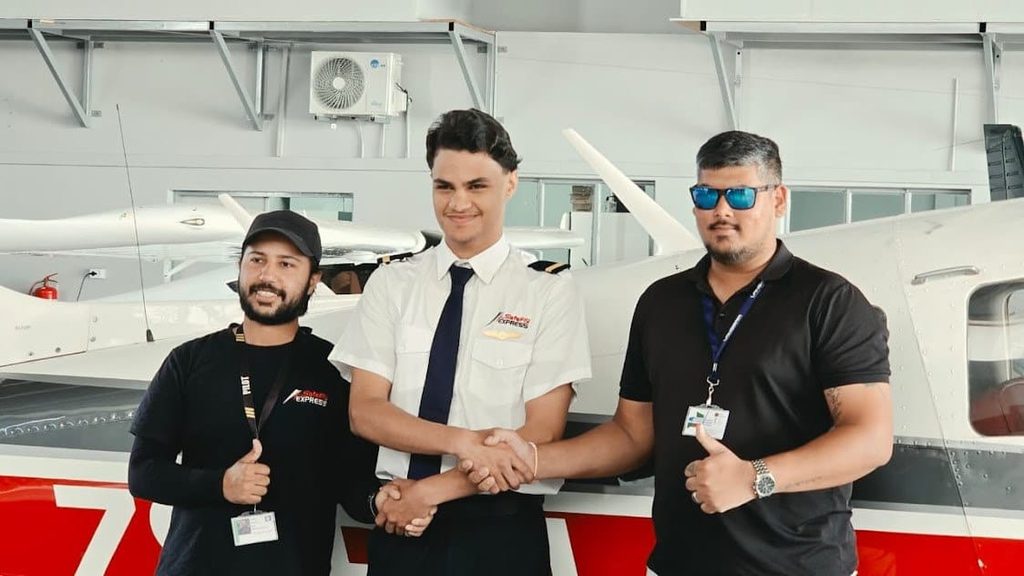
A flight instructor is not merely a pilot accompanying you on a flight; they fulfill a vital role in guiding your learning, developing your practical skills, and evaluating your progress against syllabus benchmarks.
Through flight training, students learn how to absorb constructive feedback, review flight errors, and systematically refine their performance. Certain students may require extra flight sorties to master specific maneuvers, which naturally depends on individual learning curves and program criteria.
When choosing a flight academy, inquire about instructor qualifications, background experience, training structure, and student performance tracking methods. Furthermore, explore how flight hours are allocated, fleet availability metrics, and procedures for managing weather or operational flight delays.
How to Prepare for Studying Aviation at Lanseria International Airport?
If you are planning to join a flight training program in South Africa, consider preparing the following aspects before embarking on your journey:
Enhance Your English: Focus on mastering key aviation terminology and specialized aviation English required by the program curriculum.
Review Admission Requirements: Confirm necessary academic credentials, medical class certificates, and regulatory requirements for your target pilot license.
Understand the Training Syllabus: Familiarize yourself with ground school topics, flight hours, training aircraft models, and evaluation milestones.
Plan Your Finances: Inquire thoroughly about tuition fees, flight hour rates, potential extra costs, along with travel, housing, and living expenses.
Prepare for Full Commitment: Studying aviation demands disciplined time management, continuous self-study, and strict compliance with safety rules.
Always verify requirements with relevant civil aviation authorities, especially if you plan to convert or utilize your license in another country later on, as license recognition and conversion rules vary internationally.
Begin Your Aviation Journey with a Clear Understanding of the Training Experience
Understanding the environment at Lanseria International Airport gives you a clear picture of the holistic training journey beyond theoretical classroom study. From flight preparation, airport procedures, and radio communications to practical flying and aircraft inspection routines, these integrated elements help build your foundational skills as an aspiring pilot.
BIRD Aviation Academy—represented exclusively in Egypt and the Middle East by Golf Academy for Civil Aviation—offers a comprehensive training pathway in South Africa within an active aviation environment utilizing a versatile fleet including the Piper Cherokee, Diamond DA20, Diamond DA42 Twin Star, Tecnam P92 MK2, and Sling 2.
As you prepare to start your aviation studies, ensure you review all program details, syllabus timelines, instructor credentials, licensing requirements, and tuition structures. Selecting the right academy relies not only on location, but on choosing a clear, well-structured program that aligns directly with your personal and professional aviation goals.