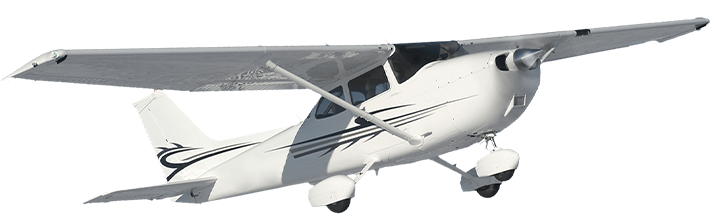

It is natural for prospective students and their parents to ask about the safety of civil aviation studies, particularly since this experience involves traveling to another country, engaging in practical flight training inside aircraft, and living away from family. However, the truth is that aviation is an industry founded on precise, highly regulated procedures designed to manage risks and enhance safety across every training phase. Safety here extends beyond flight sorties; it encompasses the study environment, housing, transportation, and daily student monitoring. Therefore, if you are considering aviation studies, understanding this environment and its built-in safety measures will help you embark on your journey with confidence.
First: Is Practical Flight Training Safe During Aviation Studies?
Safety stands as the fundamental pillar of civil aviation. Consequently, students never begin practical flight sessions without progressing through foundational theoretical preparation and gradual qualification phases.
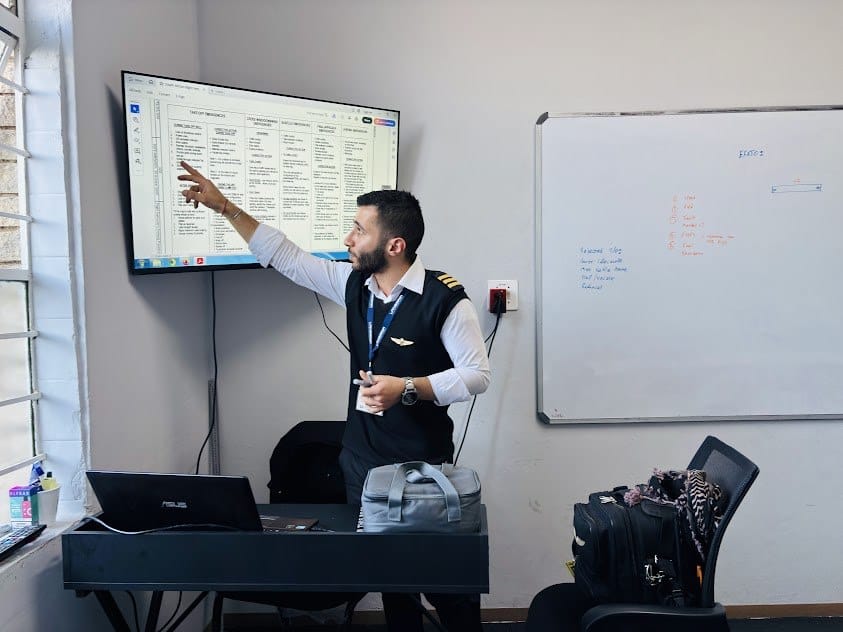
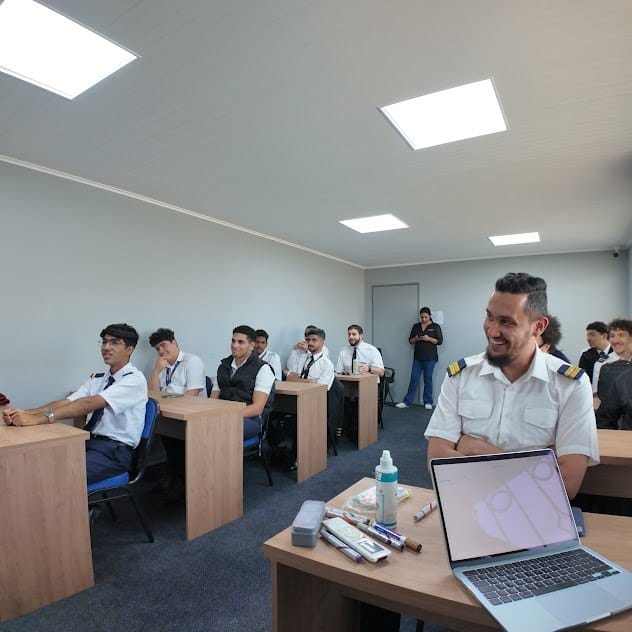
Throughout ground school, students learn flight fundamentals, aircraft operating principles, aviation meteorology, air navigation, emergency procedures, and safety protocols that must be followed before and during every flight. Training goes beyond absorbing theory; students learn how to apply these concepts practically under certified flight instructor supervision, matched to their specific training stage.
What Safety Procedures Does an Aviation Student Learn?
Before every training flight, students master key operational procedures, including:
- Pre-Flight Aircraft Inspection: Conducting thorough exterior and interior checks using approved checklists to ensure airworthiness.
- Weather Briefing Evaluation: Assessing the impact of weather conditions, wind velocity, and visibility on flight decisions.
- Flight Planning: Mapping out navigational routes and completing necessary pre-takeoff clearances.
- Radio Communications: Learning effective phraseology to communicate with Air Traffic Control (ATC) in aviation English.
- Handling Unexpected Scenarios: Studying theoretical procedures and practicing structured responses to various operational conditions under instructor guidance.
Students do not shoulder training responsibilities alone. Practical instruction follows a structured syllabus under certified instructor supervision, with student autonomy increasing progressively alongside academic advancement and licensing criteria.

Second: Are Housing and Transportation Safe During Aviation Studies in South Africa?
When traveling abroad to study aviation, family concerns extend beyond academic quality into everyday living: Where will the student stay? How will they commute to the airport? Who oversees these daily logistics?
Providing structured housing and transport setups allows students to focus entirely on flight training while offering parents clear visibility into daily living arrangements.
Accommodation and Housing
One defined living option presented to students is Dainfern – The Paddocks in the Dainfern area of South Africa. Selecting appropriate accommodation requires evaluating neighborhood security, student convenience, essential amenities, and clear operational oversight.
Golf Academy structures student housing arrangements to ensure incoming students do not navigate housing searches independently, receiving clear living information prior to departure. Parents are encouraged to review housing features, facilities, house rules, and emergency contact protocols before finalizing travel arrangements.



Transportation Between Accommodation and Airport
Daily commuting represents an essential component of student life, given that flight instruction takes place at Lanseria International Airport.
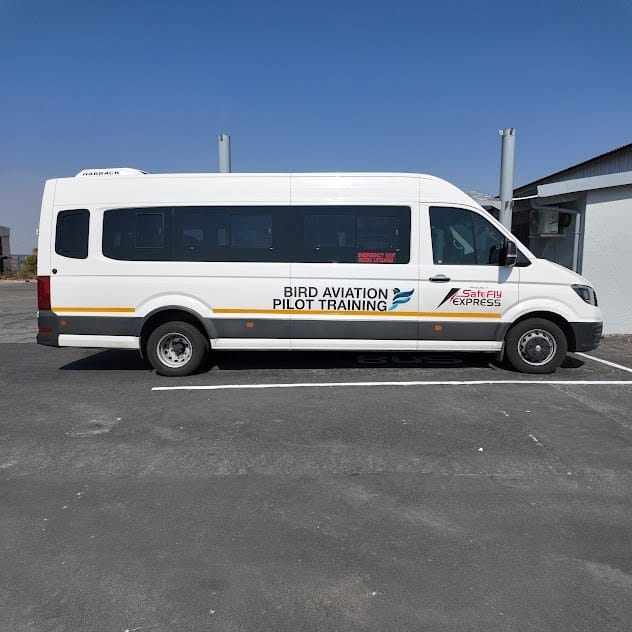
The academy provides modern, air-conditioned transport vehicles scheduled in coordination with flight training timetables, ensuring timely transfers between residences and the airport. The transport fleet is equipped with tracking cameras to monitor vehicle routes and streamline transport logistics. These measures reduce daily operational stress, allowing students to dedicate their energy to ground studies, flight briefings, and practical sorties.
Third: How Does Golf Academy Prioritize Student Safety and Comfort?
Golf Academy for Civil Aviation recognizes that choosing to study aviation abroad is a shared family decision requiring comprehensive planning. Dedicated student support must extend beyond academic instruction to encompass housing arrangements, transportation, and daily operational oversight.
Specialized Training Environment
Golf Academy serves as the exclusive agent for BIRD Aviation Academy in Egypt and the Middle East. BIRD Academy was established in 2015 in Johannesburg, South Africa, with flight operations based at Lanseria International Airport.
This setting exposes students to international airport operations, radiotelephony communications, and practical application of ground school theory. Operating a diverse fleet of 16 training aircraft provides broad practical experience suited to different syllabus phases.
Structured Daily Logistics
Clear, organized daily logistics help students feel settled and secure. This includes structured housing options, scheduled transit, clear flight timetables, and direct communication channels with student services managers. Clear living arrangements allow students to direct their full attention toward academic and flight performance goals.
The Parents’ Role in Ensuring Peace of Mind
Parents naturally seek detailed insight before approving overseas aviation studies. We recommend reviewing the training syllabus, airport facilities, housing options, transportation protocols, and academy contact channels.
Establishing clear communication schedules and knowing designated student support contacts ensures families make informed decisions, giving students a strong foundation for studying abroad.
Conclusion: Aviation Studies Is an Experience Undertaken with Confidence
At Golf Academy for Civil Aviation, we believe preparing professional pilots begins with delivering a structured educational journey supported by attention to daily details that foster student success.
If you dream of pursuing a career in civil aviation or wish to learn more about training in South Africa, housing options, transit systems, and our training fleet, contact Golf Academy to review program details and take your first step into the world of aviation.