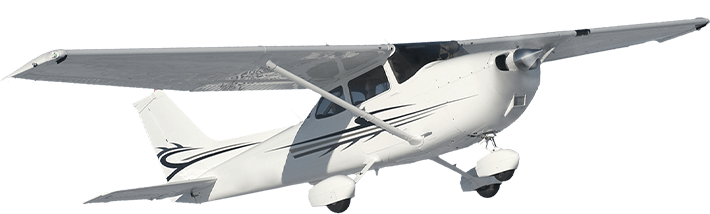
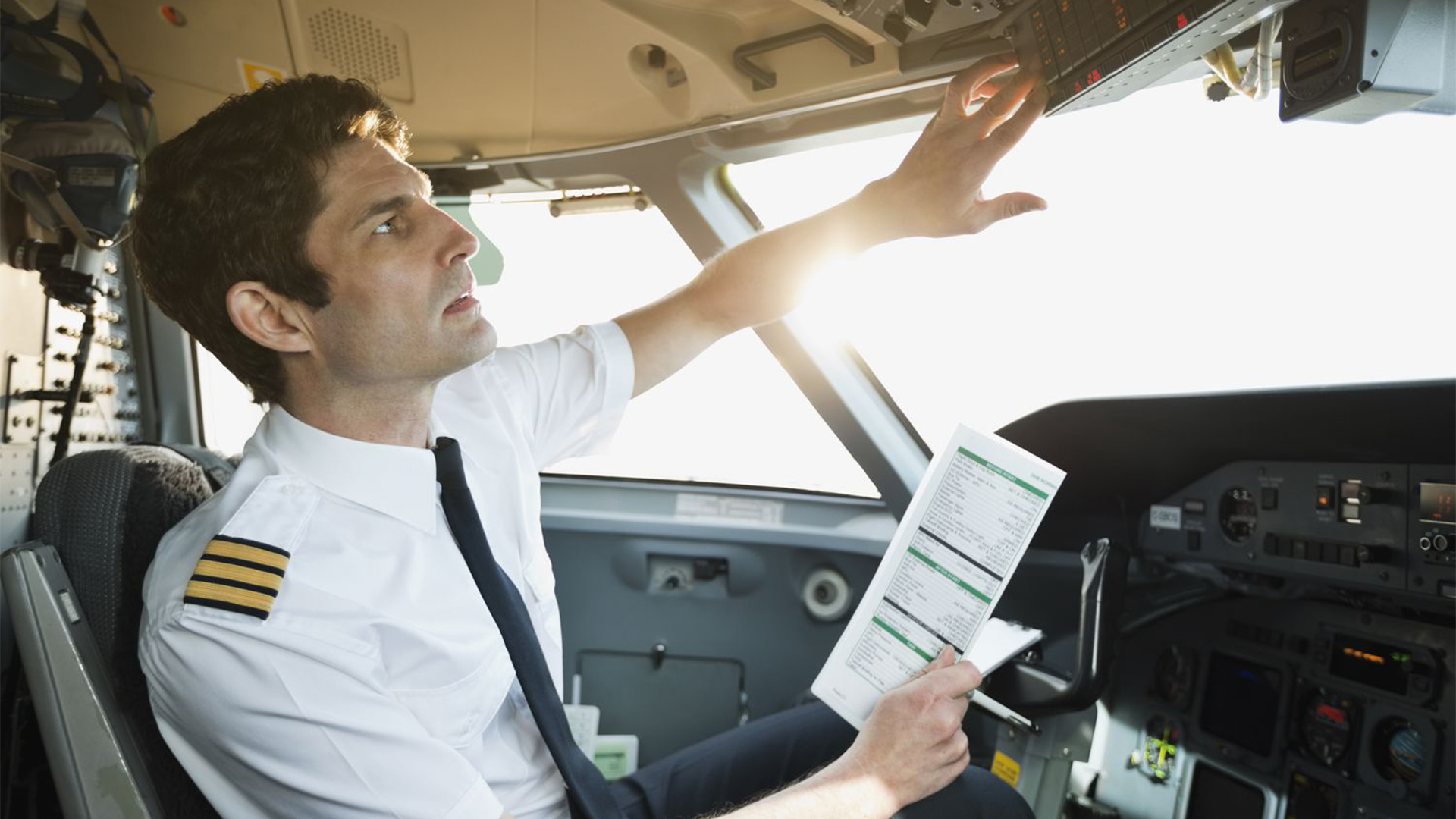
Learn why aviation accidents are extremely uncommon and how flight training at an international airport with a real ATC (Air Traffic Control) tower helps aviation students build strong skills and higher safety levels.
Introduction
Many people still believe flying is risky.
But once you start your flight training, you quickly see that aviation is built on precision, discipline, and a strong focus on aviation safety.
Accidents in aviation are very uncommon because every part of the system is designed to prevent mistakes before they happen.
1) Aviation Runs on Detail and Discipline
Every flight starts long before take-off.
Pilots review checklists, weather updates, aircraft systems, and flight plans with full attention.
From day one, student pilots learn that safety is not just one step…
it is a mindset that guides every action in the cockpit.
2) Pilot Training Builds Real Skills
Aviation depends heavily on how pilots think and react, not just how they fly.
That’s why modern pilot training focuses on practical skills such as:
- Handling unexpected situations
- Staying calm in all conditions
- Communicating clearly with ATC
- Making safe, quick decisions
- Understanding how the aircraft behaves in different situations
These skills are the main reason aviation accidents remain very uncommon.
3) Technology That Prevents Problems Before They Start
Modern aircraft include advanced systems that support pilots during every moment of flight:
- Autopilot
- Traffic Collision Avoidance System (TCAS)
- High-accuracy weather radar
- Continuous monitoring of engines and systems
- Updated navigation tools
These technologies work together to improve aviation safety and reduce risk.
4) Regular Maintenance: Safety Starts on the Ground
Aviation maintenance focuses on checking the aircraft before issues appear.
Engineers perform regular maintenance before, during, and after scheduled operations to ensure everything meets strict safety standards.
Students who study aviation in a real training environment see this every day.
It builds confidence and teaches them how professional flying really works.
5) Why Training at an International Airport Makes All the Difference
This is where flight training becomes truly professional:
Training at an international airport with a real ATC tower gives student pilots the closest experience to airline operations.
At airports like Lanseria International Airport in South Africa, students learn:
- Professional radio communication with live ATC
- Operating in real, active traffic
- Standard arrivals and departures
- Proper spacing and separation
- Taxiing and takeoff with various aircraft
- A real commercial-aviation environment
This experience is a huge advantage for anyone searching:
“flight training in South Africa,” “pilot licence,” “study aviation,” “best flight schools in the Middle East”.
It creates safer, more confident pilots from day one.
#Pilot_Training #Flight_Training #Aviation_School #Pilot_License #Study_Aviation #Aviation_Safety #Aviation_Dream #Aviation_Career #Aviation_Students #Flying_School #Future_Pilot #Aviation_Journey