Why Lanseria? Because Your Training Begins at an International Airport
Lanseria International Airport.. A Different Start to Your Pilot Journey
When choosing an academy to study aviation, do not look solely at total flight hours, aircraft types, or instructor experience, but ask yourself as well: Where will I receive this training? The training environment can have a substantial impact on the nature of the experience you gain during your study years.
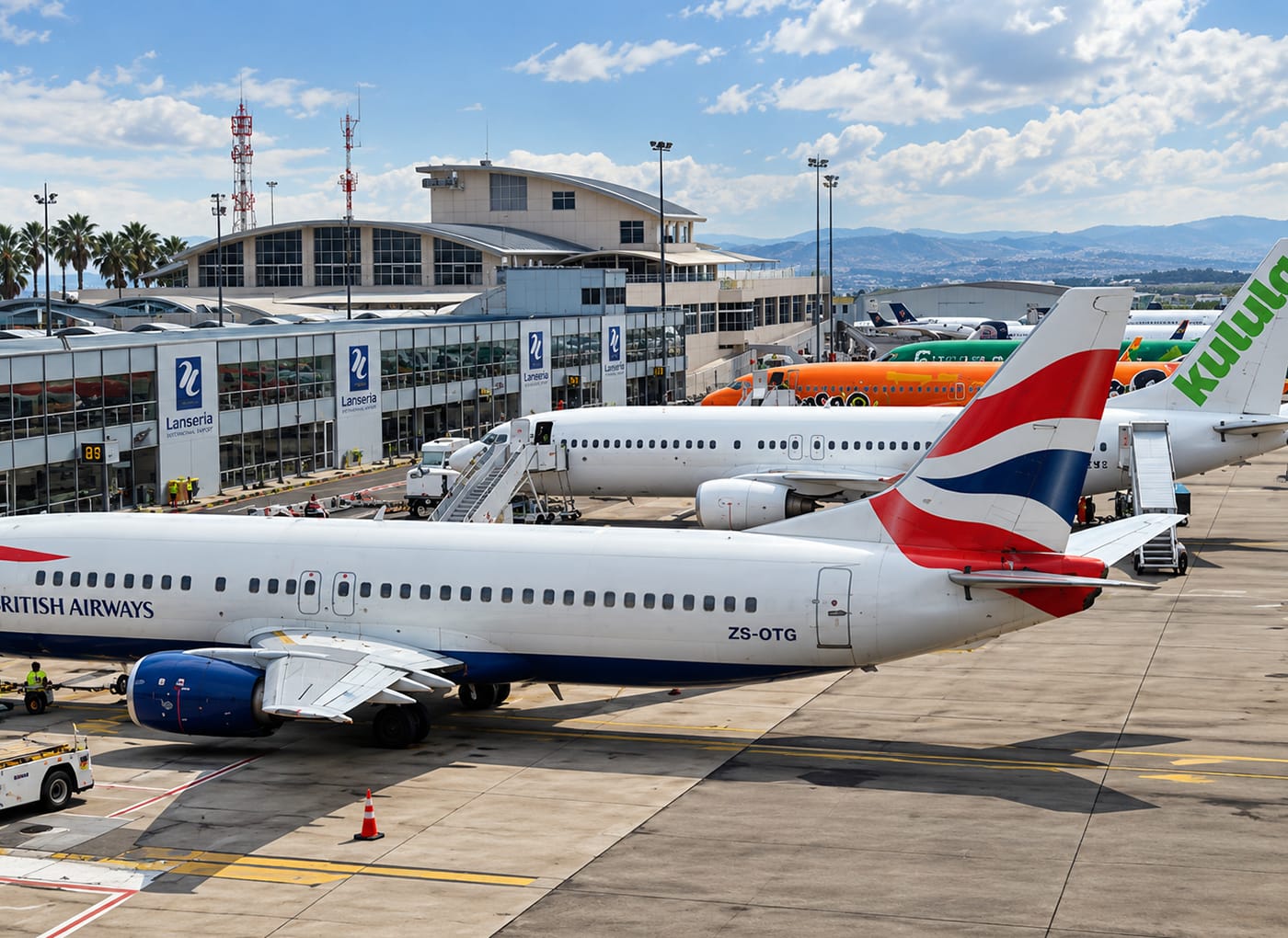
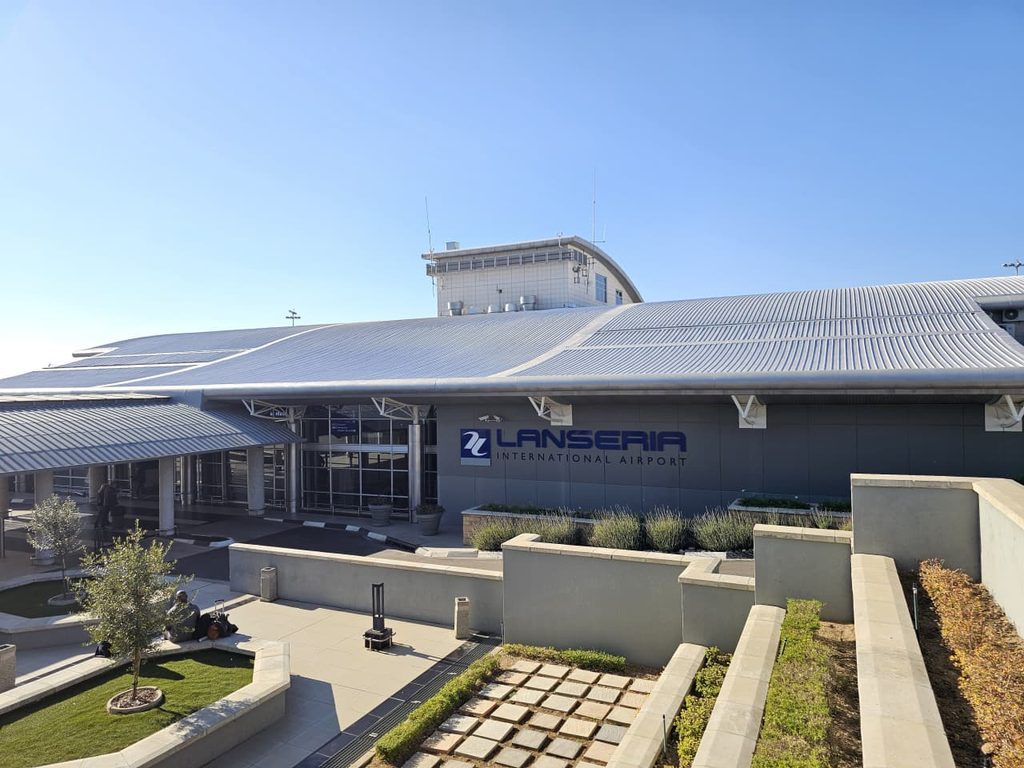
At Golf Academy, students train at Lanseria International Airport in Johannesburg, South Africa, placing them right from the start in the professional reality of an international aviation environment that includes diverse air traffic, operational procedures, and radio communications. Combined with a dedicated fleet of 16 training aircraft, students receive a complete experience integrating practical training with direct exposure to a real-world aviation ecosystem.
Why Is Training at an International Airport Important for Students?
Studying aviation does not merely mean learning how to control an aircraft, take off, and land; it is a comprehensive journey to build a pilot’s professional character and skill set.
That is why the environment you train in plays a vital role in the quality of experience you obtain. When a student trains at an international airport, they do not just interact with the aircraft, but also learn how to be an active part of an integrated aviation system that includes air traffic control, fellow pilots, operational procedures, air traffic density, and strict safety requirements.
This experience helps the student realize that professional flying relies on a full suite of integrated skills, rather than manual piloting ability alone.
Lanseria.. Your Training in an International Aviation Environment
Selecting Lanseria International Airport in Johannesburg as a training location gives students the opportunity to learn inside an environment that differs markedly from small airfields or airports whose primary function is limited strictly to basic flight instruction.
The presence of varied air traffic means that the student is gradually exposed to more realistic operational settings, learning how to follow instructions, handle radiotelephony communications, and understand procedures associated with takeoffs, landings, and traffic management.
As their skill level advances, these operational details become a natural part of their daily training routine, instead of limiting their experience to executing basic flight maneuvers in an environment with restricted traffic flow.
From Aircraft Flight Lessons to Understanding the Work Environment
One of the most notable advantages of training at an international airport is that the student begins to grasp how the entire aviation system operates.
Throughout flight training, the student learns to communicate with air traffic control, listen to and comprehend radio communications, follow controller instructions, plan flight routes, and adhere to operational and safety procedures.
Over time, these dynamic scenarios help develop critical skills such as focus, rapid response time, information processing, and timely decision-making.
These are not merely academic skills required during study, but essential core competencies every pilot relies upon when transitioning into professional career life.
Why Did Golf Choose Training at an International Airport?
The objective behind selecting an international training environment is not merely to provide the student with a different location for takeoffs and landings, but to offer an experience that builds practical expertise right from ground school.
At Golf Academy, training at Lanseria Airport represents an integral part of the student learning experience, where they learn to fly within an environment containing multiple elements of the actual aviation industry.
This allows the student to connect theoretical coursework with practical application during flight sorties, learning not only how to pilot an airplane, but also how to manage the procedures, communications, and operational decisions that accompany flight operations.
16 Aircraft.. Greater Flexibility in Practical Flight Training
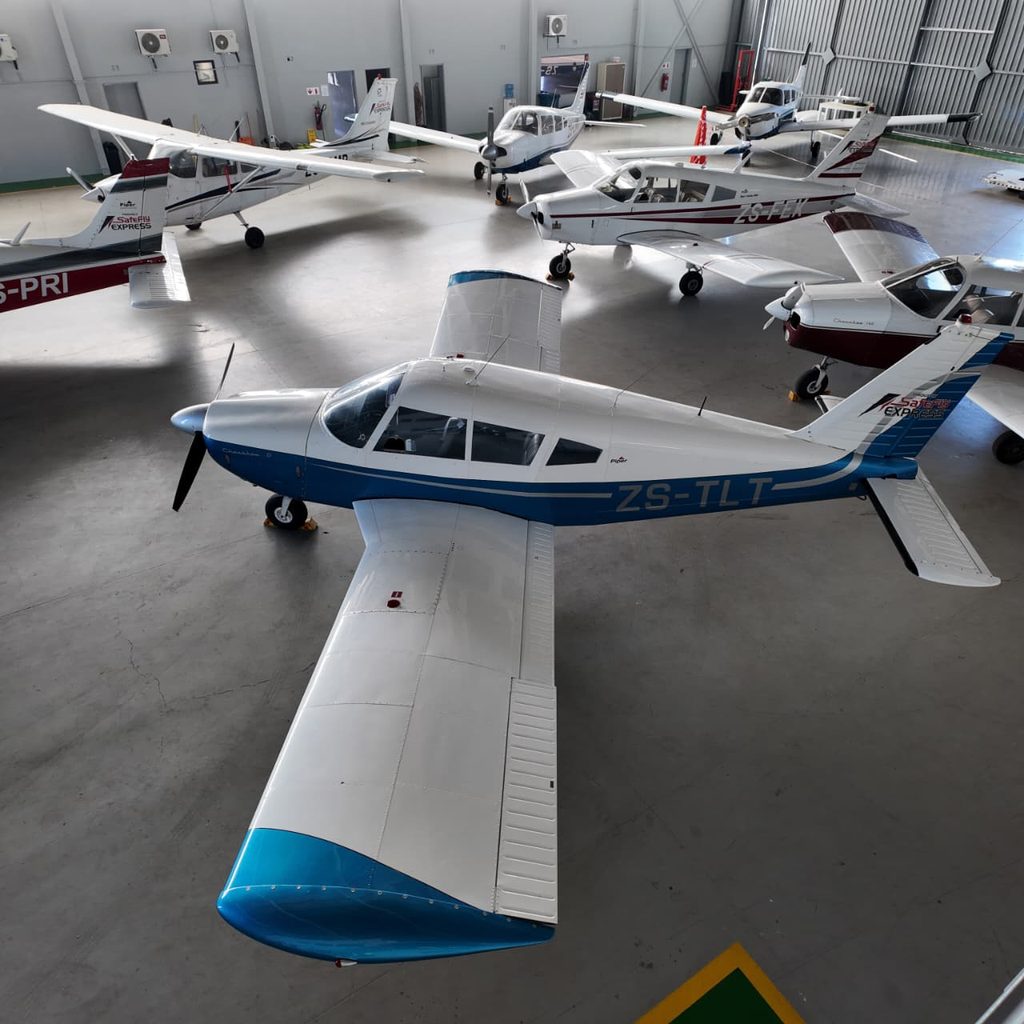
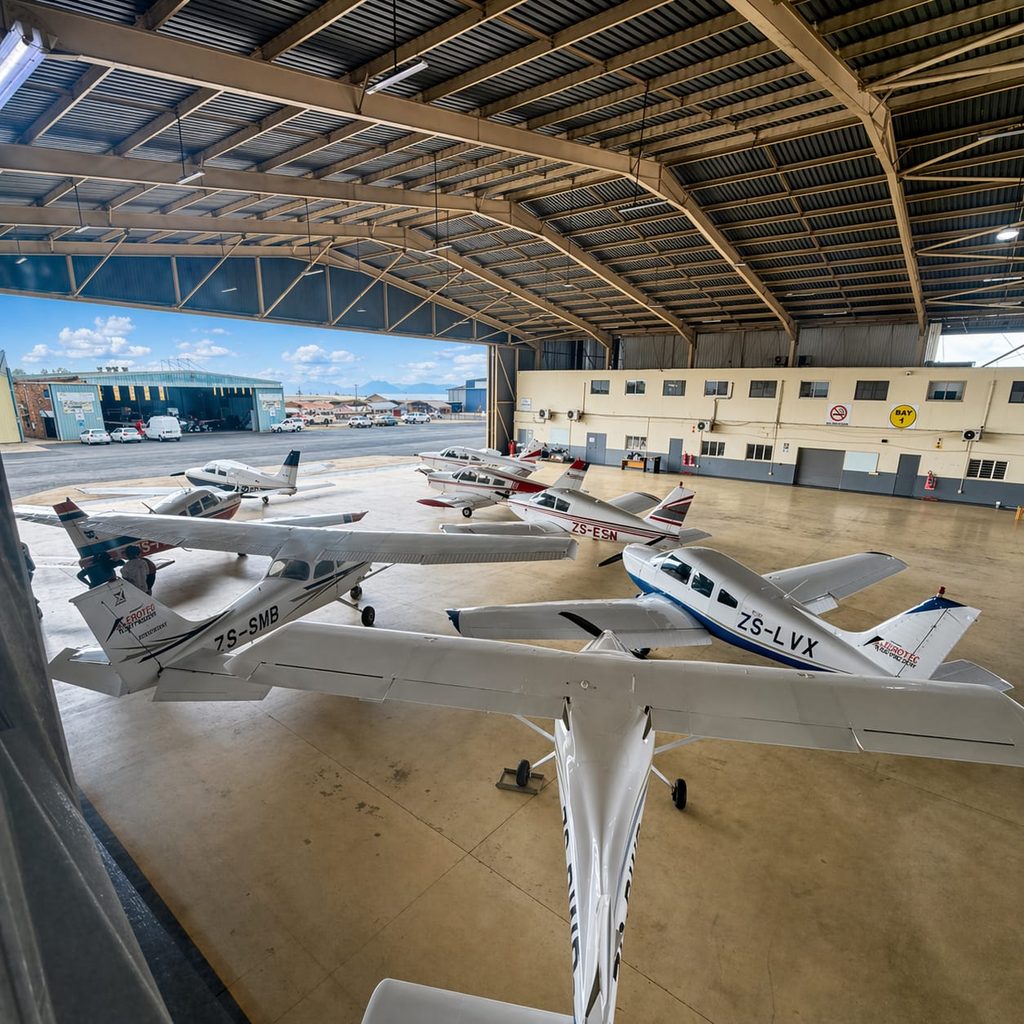
Alongside training location, fleet size represents an important factor when selecting an aviation academy.
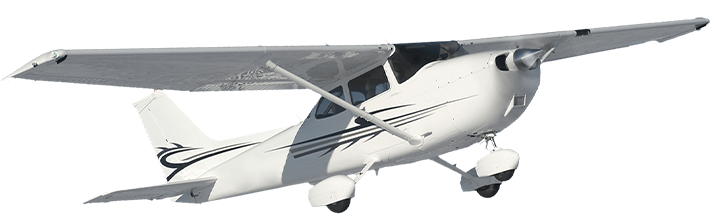
Golf Academy operates a fleet composed of 16 dedicated training aircraft, providing a large practical platform for flight training while helping the academy organize flights and training programs according to student needs and course phases.
Maintaining a large fleet grants students a more flexible training schedule, making practical flying a consistent cornerstone of their experience throughout their studies.
Furthermore, training on aircraft equipped with specialized instructional systems helps students gain practical cockpit experience, learning to manage avionics and procedures in a structured, progressive manner.
What Does Training at Lanseria Airport Add to Your Skill Set?
Training at an international airport adds a wide range of professional capabilities that extend far beyond simply logging flight hours in a logbook.
Key advantages include:
- Developing professional radiotelephony communication skills with air traffic control.
- Becoming accustomed to operating within diverse air traffic environments.
- Mastering complex procedures associated with airport departures and arrivals.
- Enhancing cross-country flight planning and navigational route skills.
- Building heightened situational awareness regarding surrounding airspace traffic.
- Practicing strict adherence to standard operational procedures and safety protocols.
- Gaining valuable practical experience within a multicultural aviation setting.
- Cultivating decision-making confidence across various operational situations.
Crucially, these skills develop step by step as students progress through their training phases under instructor supervision, moving smoothly from fundamental flight learning to managing complex operational environments as their experience grows.
Are There Limitations to Training Exclusively at Private Airfields?
Relying solely on a small private airfield may mean that the student experiences less exposure to core elements of busier aviation environments, such as dense radio communication, varied air traffic flows, and international operational procedures.
Therefore, when choosing a flight academy, it is important not only to ask about the total number of flight hours offered, but also about the nature of the environment where you will spend those hours, and whether it grants you the opportunity to gain diverse practical experience.
Choosing Your Training Environment Is Part of Choosing Your Future
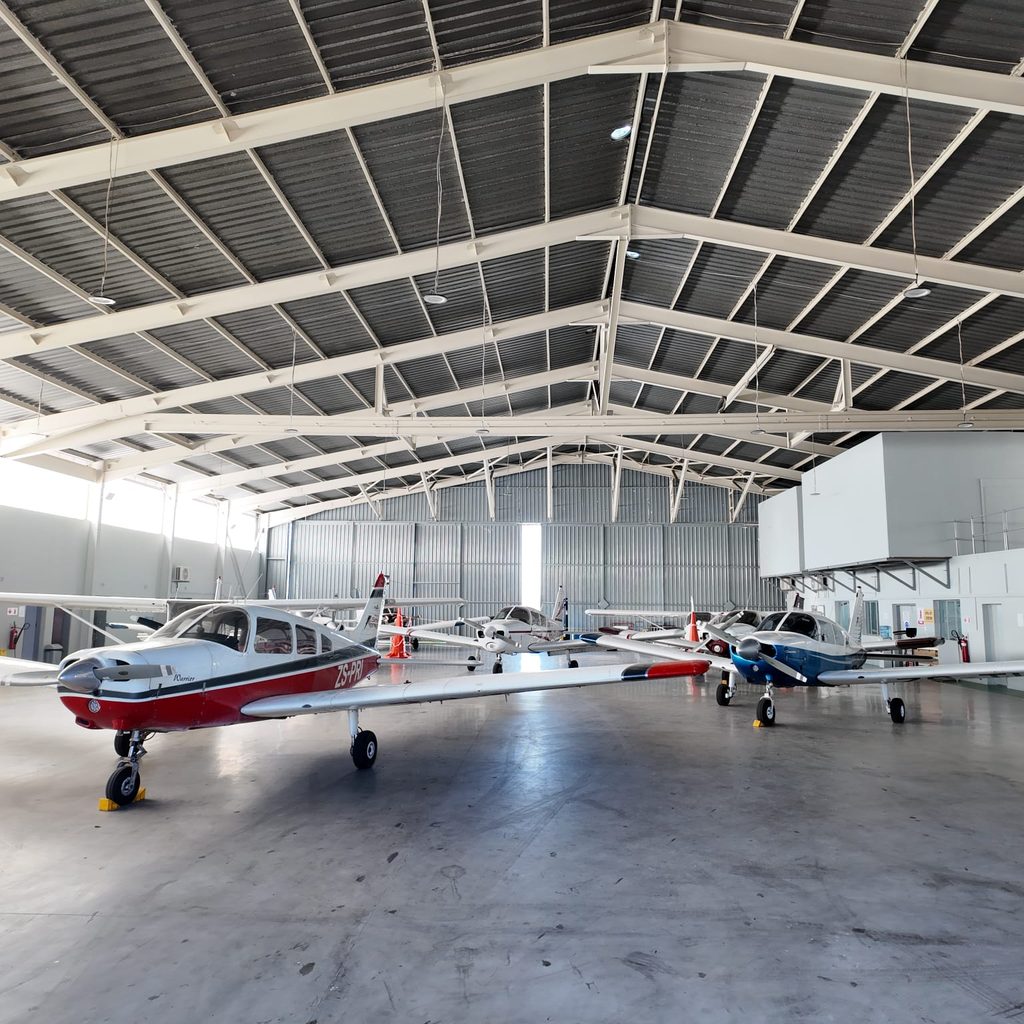
When studying aviation, every single hour spent in flight training represents an opportunity to build a new skill. That is why selecting your training location should form a foundational part of your decision-making process.
Training at Lanseria International Airport in Johannesburg gives Golf Academy students the opportunity to learn inside an international aviation setting, progressively adapting to air traffic, radio communications, ATC interaction, and operational procedures.
Supported by a training fleet of 16 aircraft, students gain another vital asset that enhances their practical learning throughout their studies.
Ultimately, studying aviation is not just about logging a set number of flight hours; it is about building a complete set of skills and practical experiences that transform you from a student learning to fly into a pilot fully prepared for the professional aviation industry.